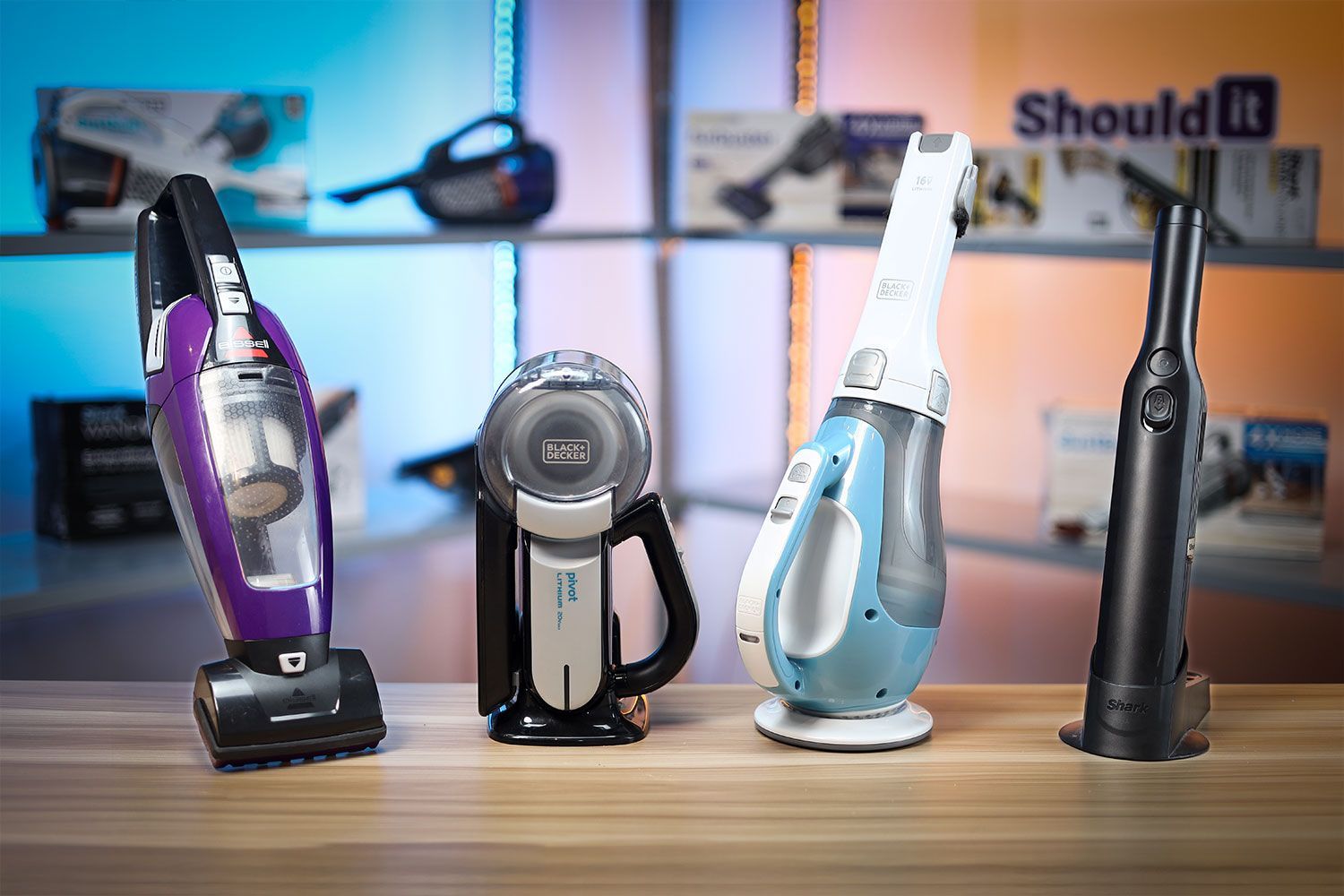
How ShouldIT Tests Handheld Vacuum Cleaners v1.0
How do we determine the top-performing handheld vacuums on the market? Explore our data-driven testing and rating process for Performance, Design, and Usability.
Our reviews of handheld vacuums recognize the top models on the market. But what sets these products apart and how did they earn their ratings?
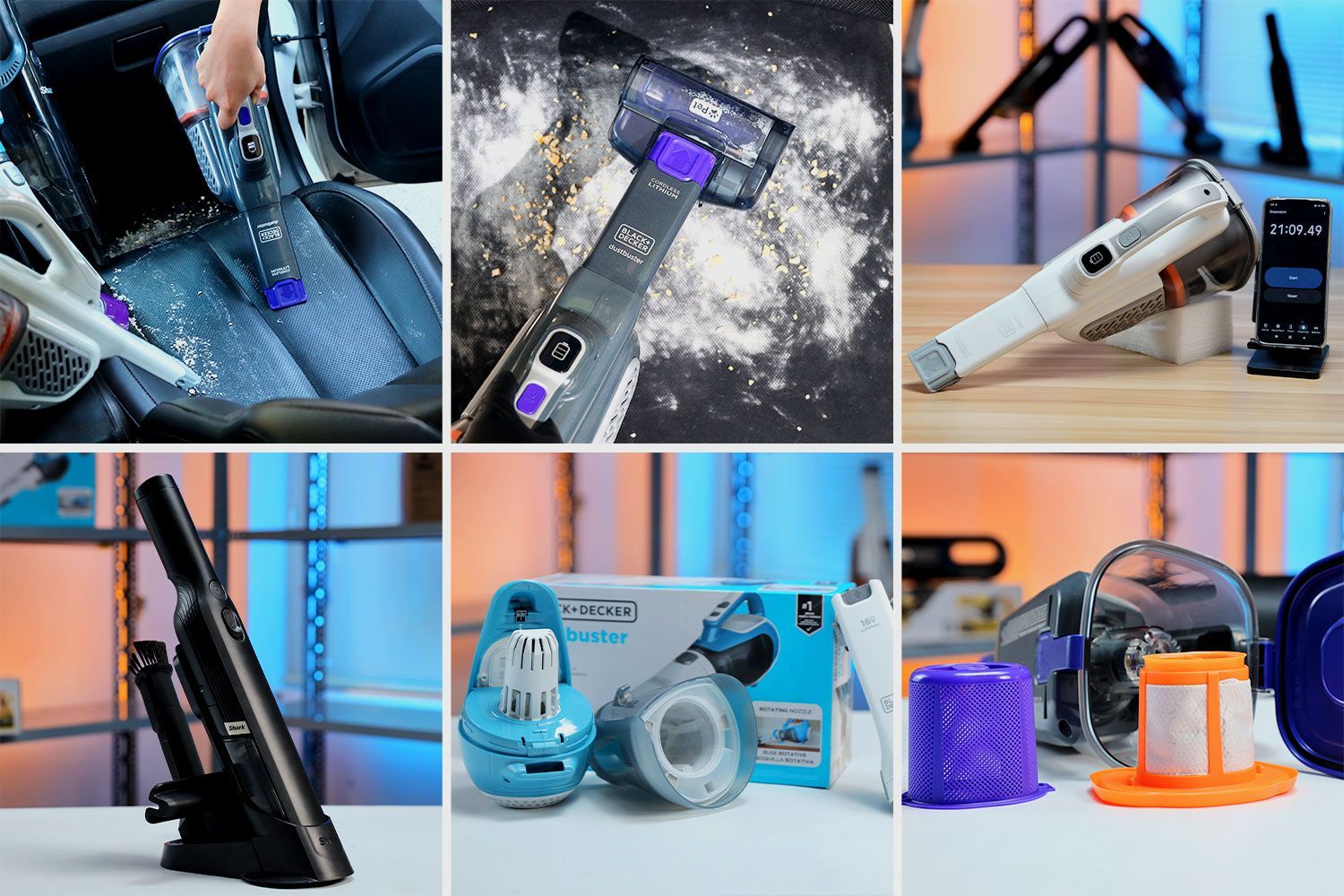
It all starts with our rigorous in-house testing process. We put a handful of popular handheld vacuums through extensive evaluation designed to reveal practicality in daily lives. We then analyze the testing results and come to a final verdict on which blenders deserve our recommendation for their features and capabilities.
Overall Ratings
The overall ratings reflect scores given for three sections. We assigned the percentage based on how heavily each category impacts daily experience.
The three individual scores include: Performance (50%), Design (20%), and Usability (30%). Each category is further broken down into a couple of specific subcategories to ensure granular and objective evaluation.
Performance (50%)
We put each cordless hand vacuum through three tests designed around the most crucial aspects such as battery charging cycles, in-car use, and performance on fabric surfaces. Performance takes 50% of the overall rating and is scored on a 1-10 scale with percentage points drawn from differently-weighted tests:
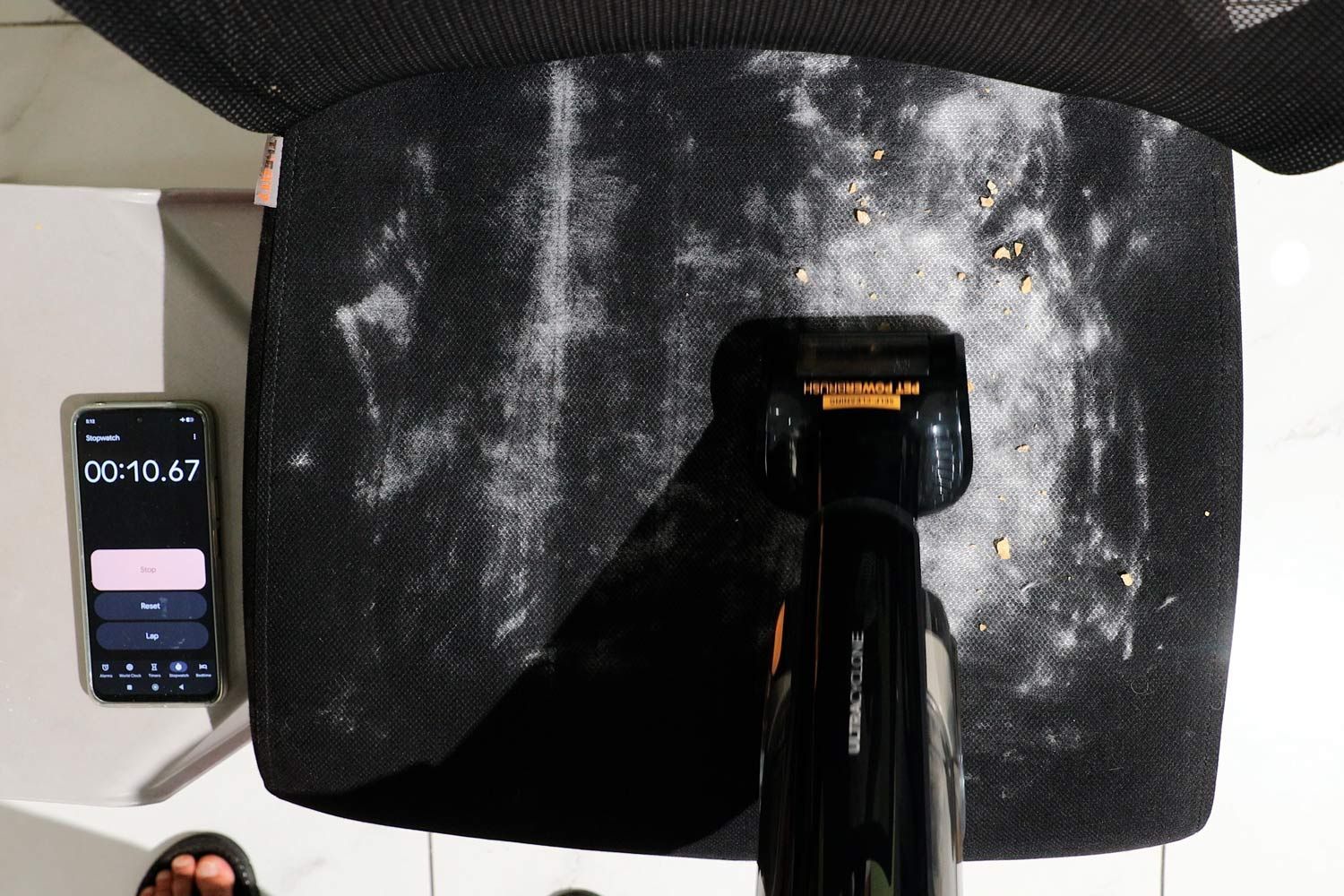
Fabric Chair Cleaning (40%)

We used flour, crushed cornflakes, and pet hair to simulate a real-life mess. This particular test on fabric seats is a high-stress benchmark for handheld vacuums. It forces a vacuum to prove its worth across three different physical dimensions of cleaning at the same time. This takes 40% of Performance score.
Car Cleaning (30%)
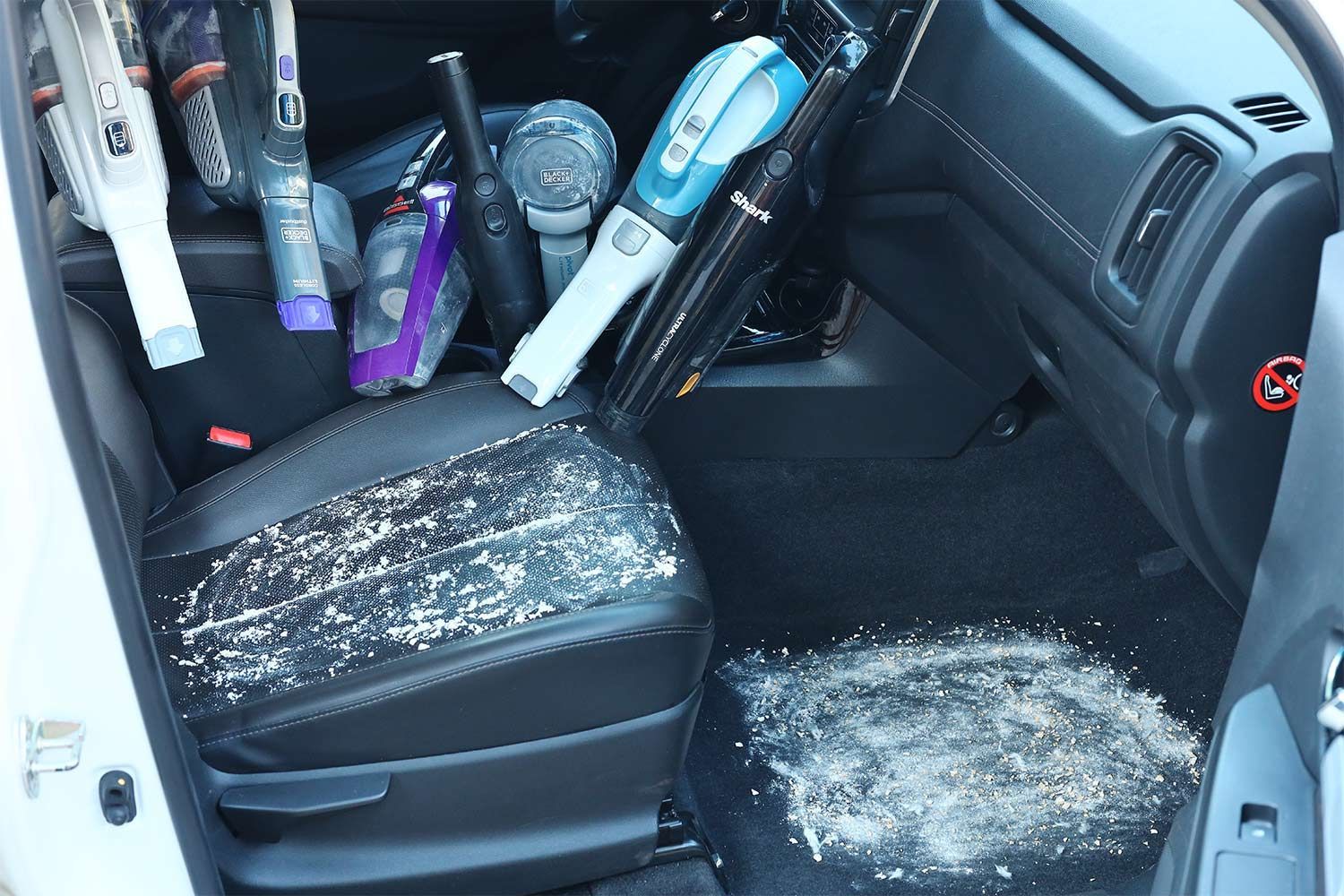
We use a similar mix of flour, crushed cornflakes, and pet hair to create the "situation". While laboratory surface tests provide a baseline, this car interior test represents a chaotic, real-world environment where variables like surface tension, fiber density, and cramped ergonomics dictate a tool's actual utility. In-car use is the second most popular use for hand vacuums and it is responsible for 30%.
Battery Performance (30%)
We time their quick charging cycles and maximum runtime. This battery test very straightforwardly shows us how comfortable the charge capacity and how convenient each charging system is. This takes the last 30% of Performance.
All the tests were recorded on camera to corroborate our results. And because timing is a key to scoring the products' performances, we ran a stopwatch for each test.
Design (20%)
The total design’s score made up 20% of the overall rating. We calculated it based mainly on overall build quality, including casings, buttons, battery indicators, etc. Each factor was assigned a different percentage of the design score.
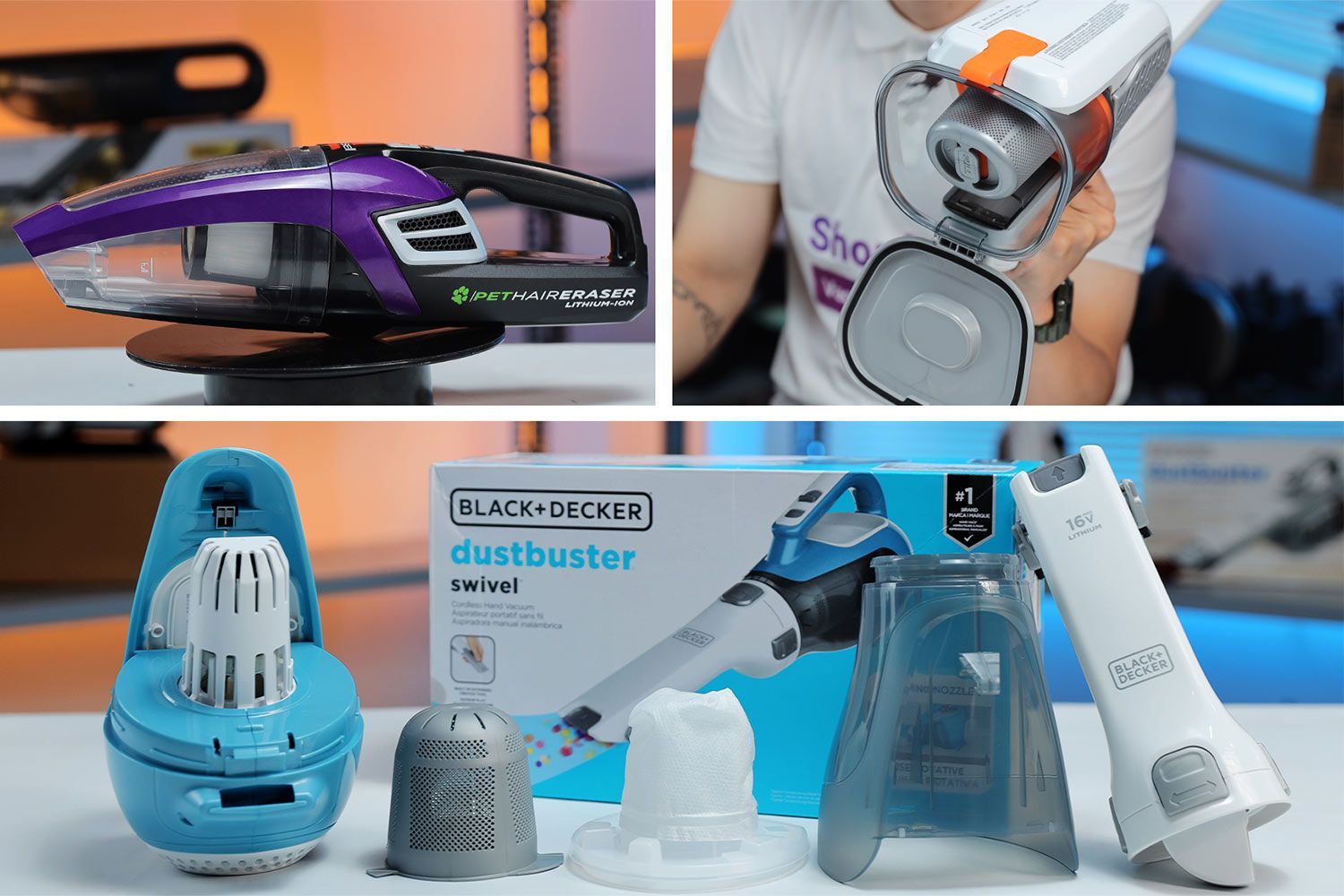
Build Quality (60%)
We allocated this section 60% of the total design score. Each product received a score based on its aesthetic appearance, how solid it felt, and the quality of its materials.
Control & Features (20%)
To earn the most points here, the product must have responsive buttons, useful indicators, optional speed settings, and intuitive charging. We find that these factors, though important to user experience, are not pivotal to the use of the appliance.
Filtration (20%)
Filtration takes the last 20%. Whether there are 2 or 3 layers of filter directly affects the health of the motor and decides how effectively and smoothly the engine runs throughout its service life. Additionally, the materials of the dust filters tell us how frequent replacement is going to be.
Usability (30%)
The total usability score is allocated 30% of the overall rating. It is more subjective, but reflects our opinions on the hand vacuums' ease of use, handling, and cleanability more naturally. Again, some aspects of an appliance’s usability are more important than others so each portion is weighted differently. Our grades break down as follows:
Handling (40%)
Because handheld vacuums are designed for one-handed operation, they should be comfortable to hold, provide a secure grip, and feel good in your hand. Not only that, but they should also be well balanced to reduce fatigue, especially when vacuuming at chest level. This part occupied 40% of the score and may be particularly important if your hands fatigue easily.
Ease of Use (30%)
We assigned this aspect 30% of the total score. A user-friendly handheld vacuum means: it's easy to get used to, its charging system is intuitive, and it has clever design with integrated tools.
Cleanability (30%)
Besides letting you know how easy the vacuum cleaners are to clean in general, this section also clarifies any challenges posed by the cleaning process when disassembling and reassembling. We allocated 30% of Usability score to this.